
















Unveiling Indonesia’s Local Wisdom and Timeless Cultural Traditions
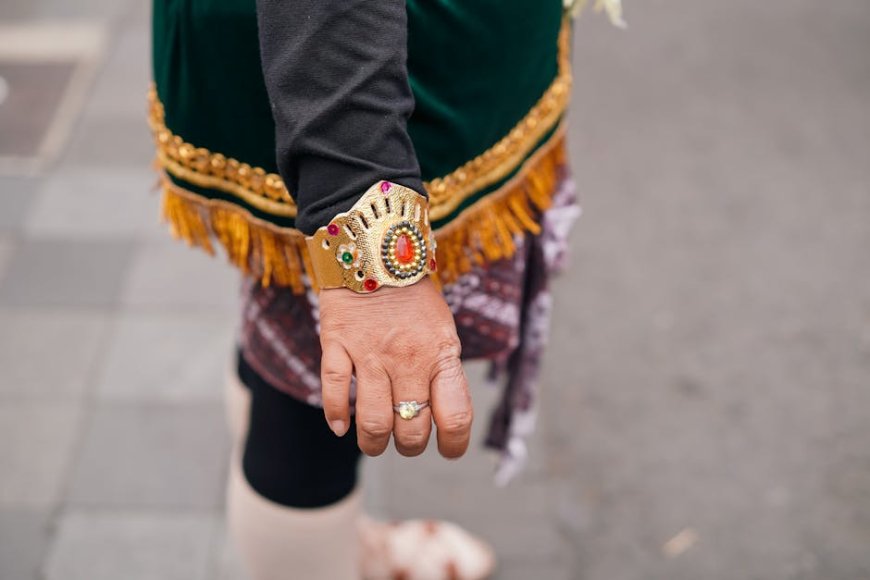
VOXBLICK.COM - Indonesia, the worlds largest archipelago, is a vibrant tapestry of over 17,000 islands, each with its own stories, customs, and timeless wisdom. Stretching across the equator, the nation is renowned not only for its breathtaking natural beauty but also for its profound local traditions and heritage. To truly understand Indonesia is to delve into its local wisdomkearifan lokaland witness how centuries-old rituals, arts, and values continue to shape its people and society today.
From the highlands of Papua to the royal courts of Java and the bustling markets of Sumatra, Indonesian culture is a living mosaic.
Here, ancestral knowledge is more than just history it provides the moral backbone for daily life, binding communities together in times of joy and adversity. This deep well of cultural traditionspassed down through dance, music, cuisine, and communal ceremoniesoffers insights into resilience, harmony with nature, and the importance of collective unity.
The Heart of Local Wisdom: Harmony, Balance, and Community
Indonesian local wisdom is rooted in the concept of living in harmony with the world. In Javanese philosophy, the principle of “Rukun” represents social harmony and peaceful coexistence.
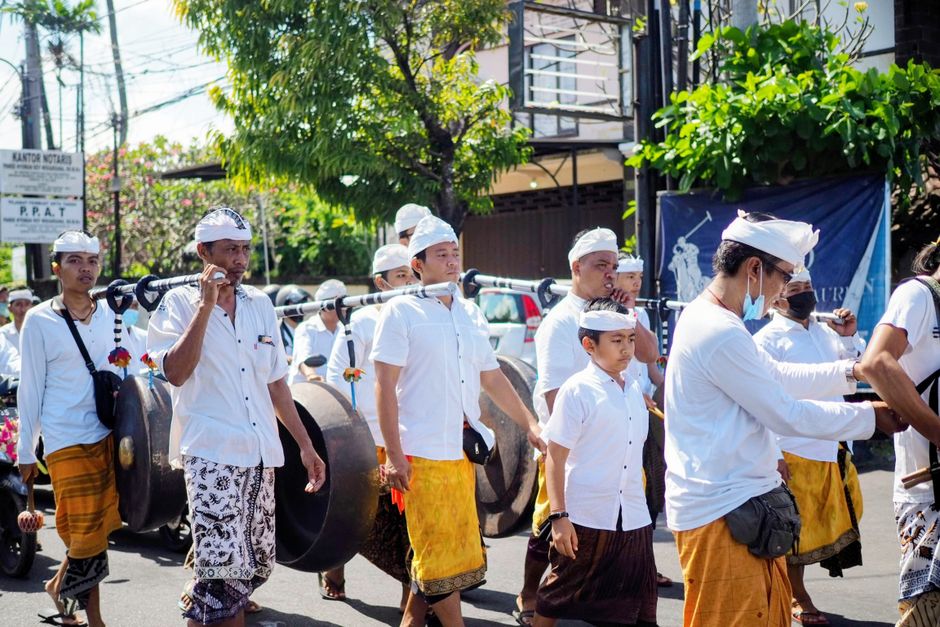
Villages gather for gotong royonga tradition of mutual aid where neighbors work together to build homes, repair roads, or prepare for festivals. This spirit of cooperation is not just practical it reinforces social bonds and ensures that no one is left behind.
Environmental stewardship is another pillar of Indonesian wisdom. The Balinese concept of Tri Hita Karana teaches that happiness comes from balancing relationships between people, nature, and the divine.
This philosophy underpins rice cultivation in Bali, where water temples and cooperative irrigation systemscalled subakhave sustained agriculture and community life for centuries, earning recognition as a UNESCO World Heritage practice.
Rituals and Ceremonies: Meaning Beyond the Surface
Traditional rituals in Indonesia are more than colorful spectaclesthey are meaningful expressions of identity, gratitude, and continuity.
For instance, in Toraja (Sulawesi), the elaborate funeral ceremonies known as Rambu Solo are central to social life. These ceremonies, lasting days or even weeks, honor ancestors and reaffirm community ties, reflecting a belief that the journey to the afterlife is as important as life itself.
Similarly, the annual Nyepi “Day of Silence” in Bali is a profound spiritual cleansing. On Nyepi, the entire island comes to a standstillno travel, no lights, no workoffering a rare moment of quiet reflection and renewal.
Such rituals teach humility, respect for ancestors, and the importance of periodic renewal in both personal and communal life.
Art, Dance, and Oral Heritage: Storytelling Across Generations
Indonesia’s artistic heritage is an essential vehicle for preserving wisdom and history.
The mesmerizing wayang kulit (shadow puppet theater) of Java combines intricate puppets, gamelan music, and philosophical storytelling, often conveying lessons about ethics, leadership, and the struggles of life. Batik, the iconic wax-resist textile art, is another form of storytellingeach motif and color scheme encodes messages about status, local legends, or prayers for prosperity.
- Batik: Recognized by UNESCO, patterns like parang (strength) and kawung (purity) reflect values and aspirations.
- Gamelan: Traditional ensembles use bronze instruments to accompany ceremonies, dances, and communal gatherings, symbolizing unity and coordination.
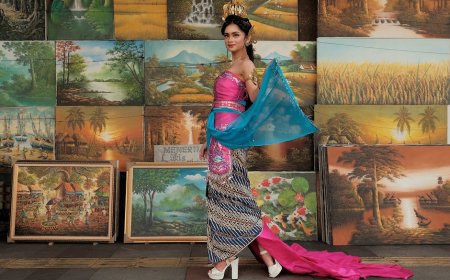
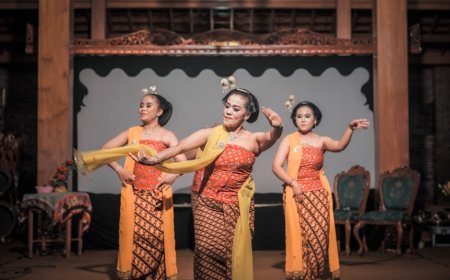
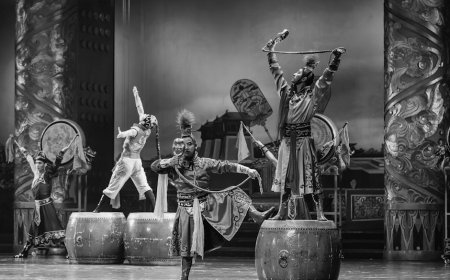
- Traditional Dance: From Saman in Aceh to Legong in Bali, every movement and costume detail tells a story of heritage and community values.
Culinary Traditions: Nourishing Body and Soul
Indonesia’s culinary heritage is a flavorful journey through its diverse regions, shaped by centuries of trade, migration, and local innovation.
Dishes like Rendang (Padang’s slow-cooked beef), Gudeg (Yogyakarta’s jackfruit stew), and Pempek (Palembang’s fish cakes) are more than recipesthey are edible histories. Cooking and sharing food is often a communal affair, especially during religious festivals like Ramadan and Galungan, where hospitality and togetherness take center stage.
Spices, once coveted by global empires, remain central to Indonesian cooking and symbolize the archipelago’s role as a crossroads of culture.
The art of preparing and presenting food is a testament to patience, creativity, and the importance of nurturing both body and social bonds.
Why Indonesia’s Traditions Matter Today
In a rapidly changing world, Indonesia’s local wisdom and cultural traditions provide valuable lessons in resilience, sustainability, and the enduring power of community.
They remind us that heritage is not staticit evolves, adapts, and continues to inspire new generations. For foreigners seeking to understand Indonesia, embracing these living traditions is the key to appreciating the nation’s soul: a tapestry woven from respect, balance, and the timeless dance of history and hope.

What's Your Reaction?
 Like
0
Like
0
 Dislike
0
Dislike
0
 Love
0
Love
0
 Funny
0
Funny
0
 Angry
0
Angry
0
 Sad
0
Sad
0
 Wow
0
Wow
0