













Understanding Indonesia’s Response to the Super Flu Outbreak

Indonesia’s Cultural Resilience: Navigating the Super Flu Outbreak
VOXBLICK.COM - Indonesia, the world’s largest archipelago, is renowned for its cultural diversity, layered traditions, and a deep-rooted sense of community. When global health crises such as the super flu outbreak strike, Indonesia’s response is shaped not only by government policies but also by centuries-old values and social practices. To truly understand how Indonesia copes with such emergencies, one must look beyond official statements and delve into the cultural fabric that binds its people together.
Throughout its history, Indonesia has weathered many challengesfrom colonial struggles to natural disasters and epidemics. Each time, it is the spirit of gotong royong (mutual cooperation) that emerges as a central pillar of resilience.
This collective ethos, present in daily life from the rice paddies of Java to the remote villages of Papua, plays a critical role in how communities mobilize, support each other, and adapt in the face of adversity.

The Role of Community and Tradition in Public Health
Indonesia’s approach to health crises is deeply influenced by traditional values and local wisdom.
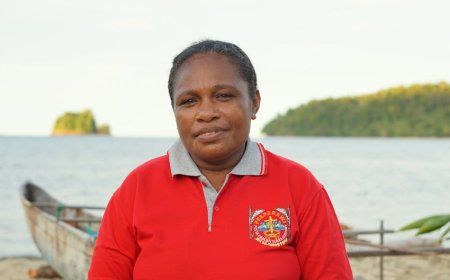
In many rural areas, village heads or community elders often play a more central role than official authorities in disseminating information and organizing collective action. During the super flu outbreak, traditional leaders have leveraged their influence to promote health protocolssuch as mask-wearing, maintaining hygiene, and supporting those in quarantineby framing them within existing cultural practices.
The communal nature of Indonesian society means that health messages are often communicated in ways that resonate with local customs. Religious leaders, too, are pivotal.
The country’s diverse faithsIslam, Christianity, Hinduism, Buddhism, and indigenous beliefshave all contributed to public health campaigns, encouraging followers to care for one another and respect guidelines as a moral and spiritual obligation.
Historical Lessons: How Indonesia’s Past Shapes Its Present
Indonesia’s response to the super flu cannot be separated from its history with earlier epidemics, such as avian influenza and SARS. These experiences have fostered a culture of vigilance and adaptability.
In many communities, the memory of past outbreaks is kept alive in folk stories and local oral history, reminding new generations of the importance of solidarity and preparedness.
Traditional healing practices also play a role in the local response. Herbal remedies like jamua centuries-old concoction of turmeric, ginger, and other rootsare widely consumed to boost immunity.
While modern medicine is widely used and promoted, the integration of traditional and contemporary approaches reflects Indonesia’s pragmatic and inclusive attitude towards health.
Arts and Rituals: Healing Beyond the Physical
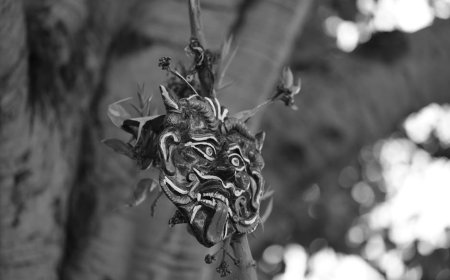
Indonesian culture recognizes that healing is not only physical but also emotional and spiritual. During the super flu outbreak, many communities revived rituals aimed at warding off disease and giving thanks for recovery.
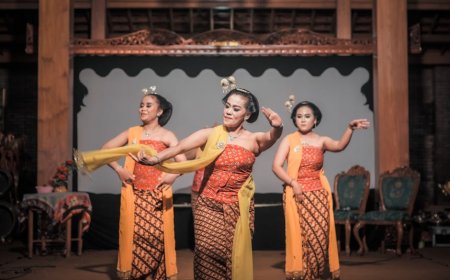
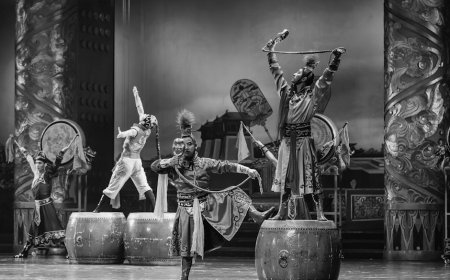
These ceremonies, often featuring traditional music and dance, serve as both a form of communal catharsis and a way to reinforce social bonds.
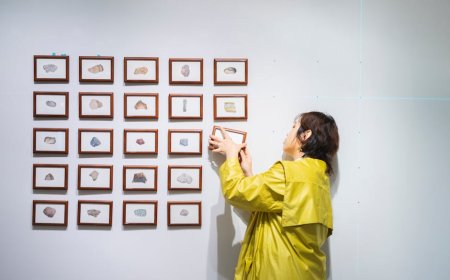
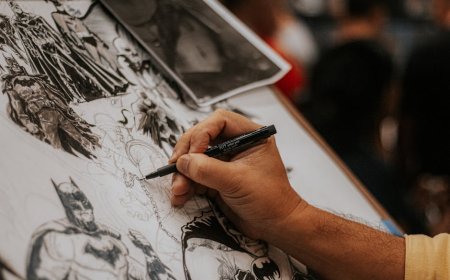
Visual art and storytelling, too, have become powerful tools for education and solidarity.
Artists create murals and performances that communicate public health messages in local languages and dialects, ensuring that even remote communities are reached in ways that feel authentic and familiar.
Lessons for the World: The Power of Collective Spirit
Indonesia’s response to the super flu outbreak offers vital lessons for the global community.
The intertwining of tradition, communal values, and adaptive strategies demonstrates that effective public health responses depend not only on infrastructure and policy, but also on cultural understanding and social unity. The practice of gotong royong, respect for elders, and the blending of traditional and modern knowledge are not just remnants of the pastthey are living, evolving strengths that help Indonesia weather the storms of today.
- Gotong Royong: Mutual cooperation remains central to crisis management.
- Integration of Tradition and Modernity: Combining herbal remedies and modern healthcare ensures community trust.
- Role of Local Leaders: Traditional and religious figures bridge the gap between government and people.
- Community Arts and Rituals: Cultural expressions foster unity and resilience.
For international observers, Indonesia’s approach is a reminder that cultural heritage is not a barrier to progressinstead, it is often the foundation for innovative, effective responses to even the most daunting health challenges.

What's Your Reaction?
 Like
0
Like
0
 Dislike
0
Dislike
0
 Love
0
Love
0
 Funny
0
Funny
0
 Angry
0
Angry
0
 Sad
0
Sad
0
 Wow
0
Wow
0