


















Indonesia’s Sustainable Fisheries: Meeting Global Standards Through Innovation
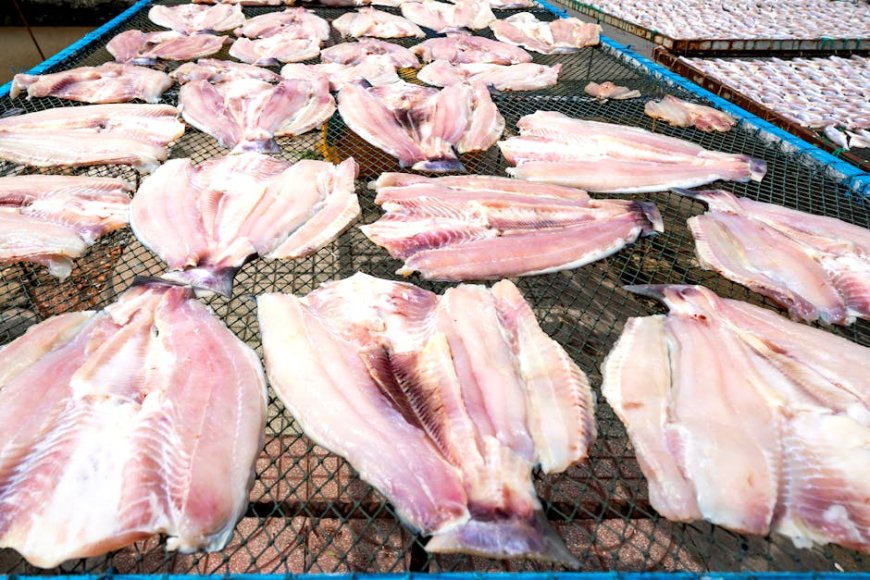
Indonesia: A Marine Biodiversity Powerhouse
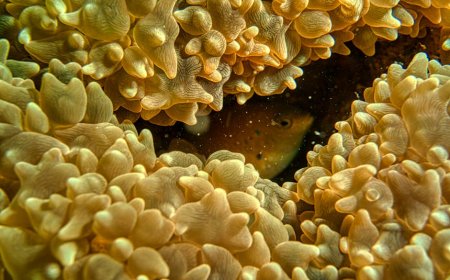
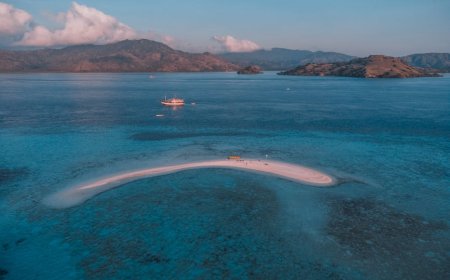
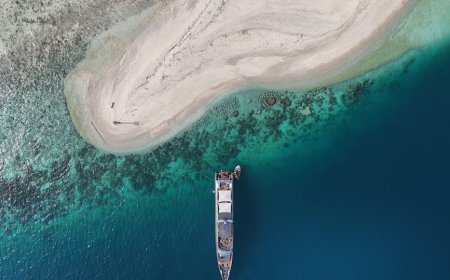
VOXBLICK.COM - Indonesia, an archipelago of more than 17,000 islands, is a global epicenter of marine biodiversity. Its vast territorial watersstretching between the Indian and Pacific Oceansare home to over 3,000 fish species, hundreds of coral varieties, and countless marine organisms. This immense natural wealth supports millions of Indonesians and sustains one of the largest fisheries sectors on the planet. However, increasing demand for seafood, overfishing, and environmental pressures have posed critical challenges to the sustainability of Indonesia’s fisheries.
Recognizing the need to preserve its marine ecosystems and remain a reliable seafood supplier in the global market, Indonesia is pioneering new models of sustainable fisheries management.
The nation is aligning its practices with international sustainability standardssuch as those set by the Marine Stewardship Council (MSC)and investing in innovative conservation technologies to protect both ocean health and fishing livelihoods.

Certifying Fisheries for Sustainability
A cornerstone of Indonesia’s modern fisheries strategy is the adoption of sustainability certification.
By collaborating with organizations like the MSC and the Aquaculture Stewardship Council (ASC), Indonesia has begun certifying its tuna, shrimp, and blue swimming crab fisheriesproducts highly sought after by eco-conscious consumers worldwide. These certifications are not merely labels they require rigorous documentation of catch methods, stock assessments, and environmental impact mitigation, ensuring that only fisheries meeting robust sustainability criteria can access premium international markets.
Certification leads to tangible ecological and economic benefits. For marine ecosystems, it encourages reduced bycatch, limits overexploitation, and helps preserve vital habitats such as coral reefs and mangrove forests.
For Indonesian fishers, certification opens doors to global supply chains, often commanding higher prices and fostering community pride in sustainable stewardship.
Innovation: Technology Meets Tradition
To meet the challenge of monitoring thousands of fishing vessels across a sprawling maritime territory, Indonesia is deploying innovative technologies.
Satellite-based vessel tracking systems now monitor fishing patterns in real time, helping authorities detect illegal, unreported, and unregulated (IUU) fishing. Mobile apps provide fishers with up-to-date weather forecasts, fishing zone regulations, and market prices, empowering them to make informed decisions while reducing environmental impacts.
Local communities are at the heart of these efforts. In eastern Indonesia, traditional “sasi” practicesseasonal closures and harvest restrictions, rooted in indigenous wisdomare being combined with modern science.
This hybrid approach enables adaptive, ecosystem-based fisheries management that honors cultural heritage while ensuring future food security.
Conservation and Community Empowerment
Indonesia’s sustainable fisheries movement is inseparable from broader marine conservation initiatives.
The government has designated over 23 million hectares of marine protected areas, safeguarding crucial spawning grounds and biodiversity hotspots. Partnerships with NGOs and universities support coral restoration, mangrove reforestation, and the protection of endangered species like sea turtles and manta rays.
- Education and Training: Programs are in place to train fishers in sustainable practices, species identification, and data collection.
- Women’s Empowerment: Women play crucial roles in processing, marketing, and fisheries management, with targeted initiatives to increase their participation and leadership.
- Economic Incentives: Eco-labeling and traceability systems help responsible fishers access higher-value markets and improve livelihoods.
Ensuring Renewable Seafood for a Healthy Planet
Indonesia’s quest for sustainable fisheries is not just a national imperativeit’s a vital contribution to global food security and ocean health.
By harmonizing international standards with local innovation, Indonesia is setting new benchmarks for responsible seafood production. These efforts inspire awe and hope, demonstrating that with science, technology, and community spirit, the world’s oceans can remain vibrant, abundant, and resilient for generations to come.

What's Your Reaction?
 Like
0
Like
0
 Dislike
0
Dislike
0
 Love
0
Love
0
 Funny
0
Funny
0
 Angry
0
Angry
0
 Sad
0
Sad
0
 Wow
0
Wow
0