















Protecting Indonesia's Native Reptiles From Wildlife Trafficking
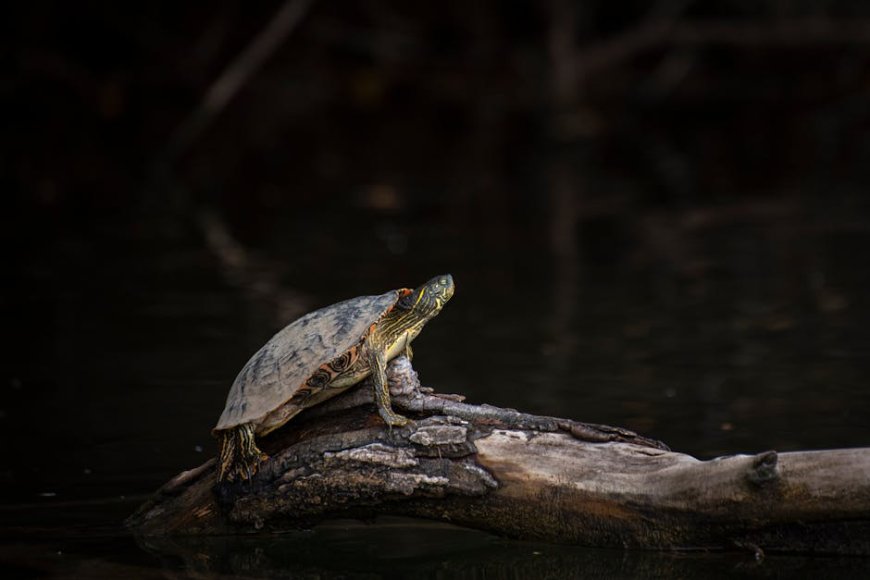
Guardians of Biodiversity: Indonesia’s Native Reptiles
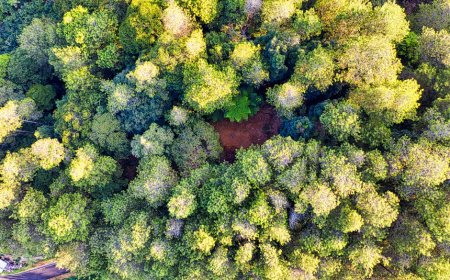
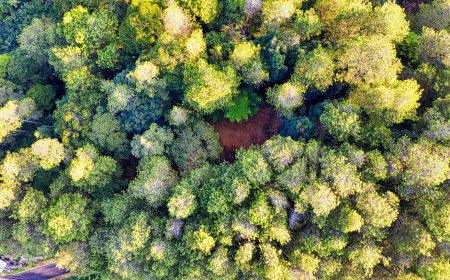
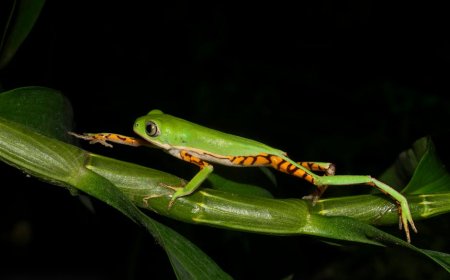
VOXBLICK.COM - Indonesia, the world’s largest archipelago, is a mosaic of rainforests, swamps, savannahs, and volcanic landscapes. This rich and varied geography has made the country a true biodiversity hotspot, home to more than 700 species of reptilesmany of which are found nowhere else on Earth. From the legendary Komodo dragon to vividly colored pit vipers, Indonesia’s native reptiles embody the nation’s natural wonder and ecological significance.
However, these unique creatures face mounting threats from habitat loss andmost alarminglyillegal wildlife trafficking.
Driven by the global demand for exotic pets, traditional medicine, and luxury goods, reptile trafficking in Indonesia endangers not only individual species but also the delicate balance of entire ecosystems. The fight to protect these animals is a race against time, blending science, legislation, and grassroots action.

The Scale of the Problem: Indonesia’s Reptile Trafficking Crisis
Indonesia’s strategic location and immense reptile diversity have made it a focal point in the international wildlife trade.
Iconic species like the Komodo dragon (Varanus komodoensis), Sulawesi forest turtle, and reticulated python are highly sought after. According to conservation organizations, tens of thousands of reptiles are smuggled out of Indonesia each yearoften in inhumane conditions and with significant loss of life during transit.
This illegal trade accelerates population declines, pushes endangered species closer to extinction, and disrupts food webs.
For example, the removal of top predators like monitor lizards can trigger cascading effects, leading to imbalances that threaten other native flora and fauna.
Conservation Strategies: Science, Law, and Community Action
Protecting Indonesia’s native reptiles requires a multi-faceted approach. The Indonesian government, supported by international partners, has implemented a range of conservation initiatives:
- Legal Protections: Many reptiles are listed under Indonesia’s protected species laws and the international CITES agreement, making their capture and export illegal without strict permits.
- Patrols and Enforcement: Forest rangers and anti-poaching units use technology, intelligence sharing, and on-the-ground patrols to intercept traffickers and dismantle smuggling networks.
- Habitat Conservation: National parks and protected areas such as Komodo National Park and Ujung Kulon safeguard critical habitats where reptiles can thrive undisturbed.
- Community Engagement: Local communities are increasingly involved in conservation through education, ecotourism, and sustainable livelihood programs that reduce reliance on wildlife trade.
- Scientific Research: Indonesian and international herpetologists conduct field studies to monitor reptile populations, understand their ecological roles, and develop evidence-based conservation plans.
Global Collaboration and Hope for the Future
The battle against reptile trafficking is not one Indonesia can fight alone. Global conservation organizationsincluding TRAFFIC, WWF, and the Wildlife Conservation Societysupport local efforts by providing funding, training, and expertise.
International cooperation is crucial for monitoring trade routes, strengthening law enforcement, and raising public awareness about the critical value of Indonesia’s reptiles.
Success stories are emerging. The recovery of Komodo dragon numbers in protected areas, the rescue and release of smuggled turtles, and the growing eco-tourism industry all demonstrate the positive impact of sustained conservation work.
Every protected reptile is a testament to Indonesia’s natural heritage and a beacon of hope for global biodiversity.
Inspiring Awe and Responsibility
Indonesia’s native reptiles are living reminders of our planet’s evolutionary marvels. Their survival depends on a collective commitmentto science, law, and local stewardship.
By safeguarding these remarkable creatures from wildlife trafficking, Indonesia not only preserves its own ecological legacy but also sets an inspiring example for the world in the ongoing quest to protect Earth’s most extraordinary life forms.

What's Your Reaction?
 Like
0
Like
0
 Dislike
0
Dislike
0
 Love
0
Love
0
 Funny
0
Funny
0
 Angry
0
Angry
0
 Sad
0
Sad
0
 Wow
0
Wow
0