











Weaving Threads of Indonesia: Ancestral Roots and Colonial Echoes
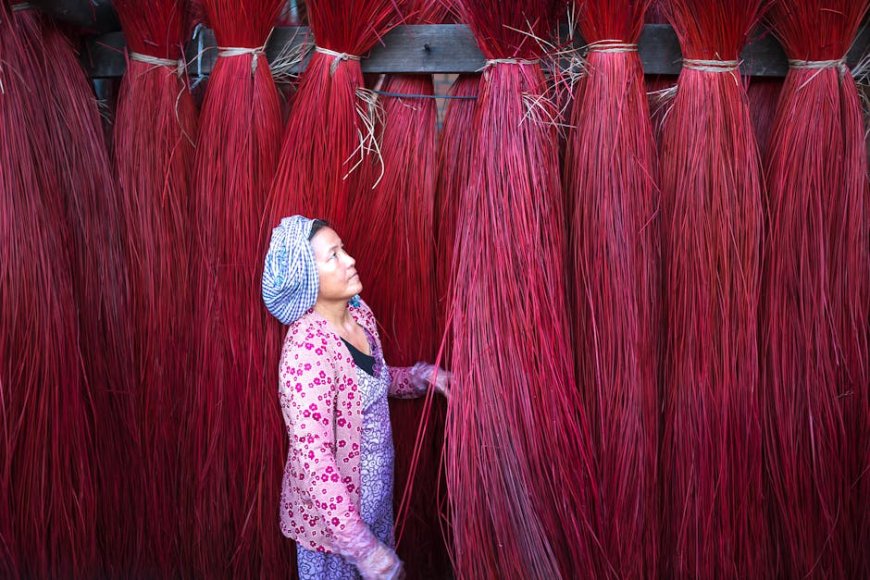
The Living Legacy of Indonesian Weaving
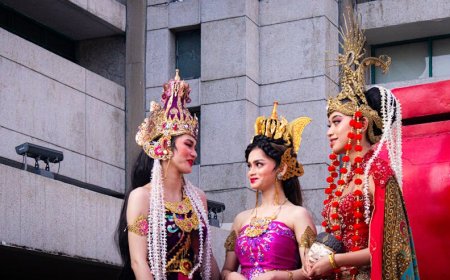
VOXBLICK.COM - Indonesia, an archipelago of more than 17,000 islands, is a treasure trove of cultural diversityeach island a tapestry of stories, peoples, and traditions. Among its most vibrant artistic expressions is the ancient tradition of textile weaving, a craft that reflects Indonesia’s ancestral wisdom and its echoes of colonial history. From the gold-threaded songket of Sumatra to the earthy ikat of Sumba, these weaves are far more than mere cloth: they are living chronicles of identity, spirituality, and resilience.
At the heart of Indonesian weaving lies a profound connection to the land and the ancestors. Weaving is not simply a utilitarian actit is a ritual, a language encoded in thread.
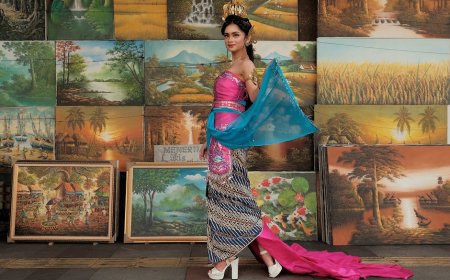
Patterns and motifs are passed down through generations, each symbol woven with intention: the geometric lines of “patola” from East Nusa Tenggara represent protection the floral “ceplok” motif in Javanese batik invokes harmony and fertility. The loom becomes an altar, the act of weaving a form of prayer, binding the past to the present.

Ancestral Roots: Weaving as Cultural Identity
In Indonesian communities, textiles are intertwined with rites of passage, belief systems, and social status.
The process begins with the careful selection of natural fibersbanana, cotton, or pineappleand the use of plant-based dyes, linking the weaver to the rhythms of nature. The resulting cloth is imbued with meaning:
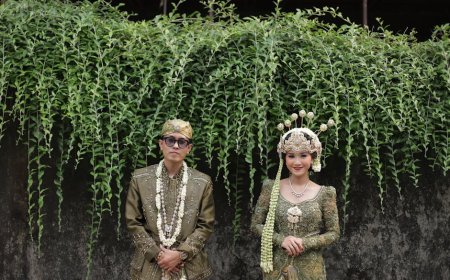
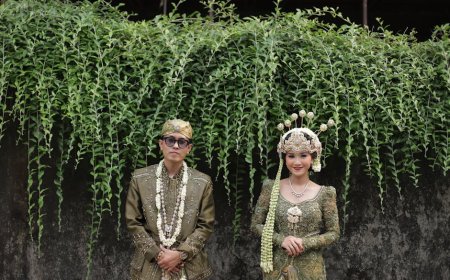
- Birth and Marriage: Special textiles, such as the Toraja “ma’baju” or Balinese “endek,” are gifted to mark these sacred life moments.
- Spiritual Rituals: Cloths are used in ceremonies to connect with ancestors, seek blessings, or shield against misfortune.
- Status and Identity: Certain motifs or weaving techniques are reserved for nobility or specific clans, serving as visual markers of social belonging.
To this day, grandmothers teach their granddaughters the secrets of the loom, ensuring that cultural memory is preserved not just in stories, but in daily practice.
The rhythmic clatter of the backstrap loom is the heartbeat of many villagesa sound that speaks of patience, perseverance, and pride.
Colonial Echoes: Adaptation and Syncretism
Indonesia’s textile heritage, while deeply indigenous, also bears the marks of centuries of contact with foreign powers. The arrival of Indian, Arab, Chinese, and later Dutch colonial traders introduced new materials, dyes, and motifs.
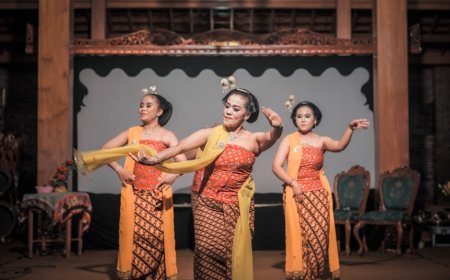
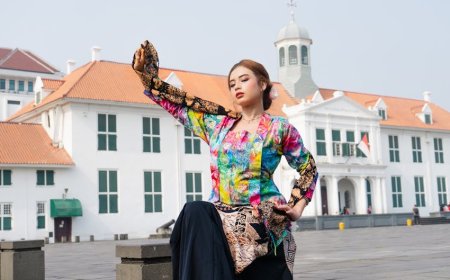
The batik tradition of Java, for instance, flourished under both royal patronage and colonial commerce, blending indigenous symbolism with influences from the Middle East and Europe.
During Dutch colonization, locally woven textiles became both a commodity and a form of quiet resistance.
While colonial authorities encouraged the production of batik for export, Indonesian artisans encoded subtle messages of defiance in their designs. Motifs such as “parang rusak”once reserved for royaltybecame emblems of resilience and political identity.
European industrialization also brought mass-produced textiles, threatening the survival of handweaving traditions.
Yet, Indonesian weavers responded not by surrendering their craft, but by innovating: new color palettes, hybrid motifs, and techniques emerged, ensuring that local traditions adapted without losing their soul.
Weaving as Cultural Ritual: The Soul in the Cloth
For many Indonesians, weaving is inseparable from ritual. The act of spinning, dyeing, and weaving is often accompanied by prayers or offerings to ancestral spirits.
In Sumba, elders say the cloth “has a soul”its energy shaped by the hands, intentions, and stories of its maker. Wearing or gifting a handwoven textile is thus not only an aesthetic choice, but a spiritual one, believed to bring protection, fertility, or prosperity.
Foreigners who witness Indonesian weaving may see only intricate patterns or vibrant colors. But to truly understand, one must look deeper: every thread is a message, every motif a memory.
The legacy of Indonesia’s weavers is a testament to the resilience of culturesurviving colonization, modernization, and globalization, yet remaining rooted in ancestral wisdom.
Preserving Heritage in a Modern World
Today, Indonesian textiles enjoy global acclaim, yet face new challenges from fast fashion and mass production.
NGOs, local cooperatives, and young designers are working tirelessly to revitalize the craft, promote ethical production, and raise appreciation for the stories behind each weave. By supporting authentic weavers and learning the meaning behind their art, visitors and collectors can help ensure that Indonesia’s threads of tradition remain unbroken for generations to come.
To walk among the looms of Indonesia is to travel through time: to honor ancestors, to hear the echoes of colonial encounters, and to witness the ongoing dance of adaptation and identity.
In every warp and weft, the soul of Indonesia endureswoven with patience, reverence, and hope.

What's Your Reaction?
 Like
0
Like
0
 Dislike
0
Dislike
0
 Love
0
Love
0
 Funny
0
Funny
0
 Angry
0
Angry
0
 Sad
0
Sad
0
 Wow
0
Wow
0