


















Understanding Indonesia’s Tourist Codes and Cultural Etiquette
VOXBLICK.COM - Understanding Indonesia’s Tourist Codes and Cultural Etiquette is more than just memorizing a list of do’s and don’ts. It is a journey into the heart of a nation where over 17,000 islands host a tapestry of ethnicities, faiths, and ways of life. The archipelago’s customs are shaped by centuries of Hindu, Buddhist, Islamic, and indigenous influences, making Indonesia a living museum of traditions. For travelers, respecting these codes is not only a sign of courtesyit is a meaningful way to connect with people and honor their heritage.
The essence of Indonesia’s cultural etiquette is rooted in the concept of adata set of local customs that govern daily life, social interactions, and ceremonies.
When you step into an Indonesian home, village, or sacred space, you are entering a world where unspoken rules guide behavior. These codes, whether observed in bustling Jakarta or serene Bali, have deep significance. They are the threads that hold together a society both ancient and rapidly modernizing.

The Meaning Behind Rituals and Greetings
One of the first things visitors notice is the Indonesian greeting: a gentle handshake, sometimes accompanied by a slight bow of the head.
In Javanese culture, people often greet elders with a respectful gesture called sungkem, kneeling and touching the back of the elder’s hand to their forehead. These small acts are not mere formalitiesthey reflect a profound respect for hierarchy and age, values deeply woven into Indonesian society.
When entering temples, mosques, or homes, removing your shoes is a must. This ritual is not only about cleanliness but also about humility it symbolizes leaving the outside world behind and entering a space of purity.
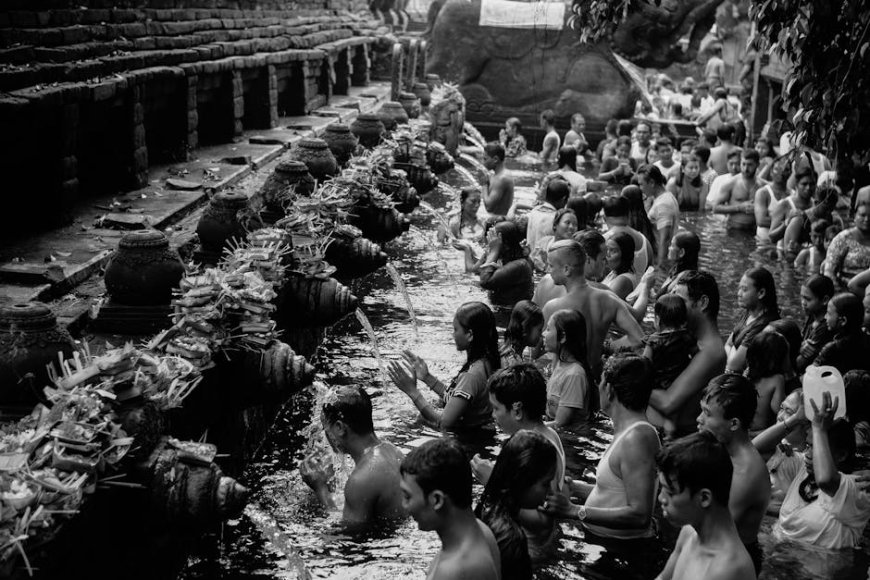
In Bali, visitors often wear a sash and sarong when entering temples, regardless of their faith. These garments are more than attirethey are offerings of respect to the spirits and ancestors believed to inhabit sacred places.
Dress Codes and Modesty: A Sign of Respect
Indonesia’s tropical climate might tempt travelers to dress lightly, but modesty is highly valued, especially in rural areas and religious sites.
Women are advised to cover their shoulders and knees, while men should avoid shorts and sleeveless shirts in temples and mosques. This is not solely about tradition it is a reflection of Indonesia’s diverse religious landscape, where Muslim, Hindu, Christian, and indigenous values coexist. Dressing modestly is an act of cultural sensitivity that opens doors to genuine interaction.
- Bali: Sarongs and sashes are required in temples always check local guidelines.
- Java: Modest clothing is appreciated, especially in Yogyakarta and traditional villages.
- Lombok & Aceh: Conservative dress is expectedlong sleeves and skirts/pants are recommended.
The Power of Politeness: Language and Gestures
Language in Indonesia is layered with politeness. The use of “pak” (sir), “bu” (madam), and “mas” or “mbak” (brother/sister) are common when addressing others, even strangers.
These terms are more than titlesthey are tokens of respect and social harmony. When handing over money or gifts, always use your right hand or both hands, never the left, as it is considered impolite or unclean in many communities.
Indonesians are generally indirect in communication, preferring to avoid confrontation or blunt refusals.
A smile or a gentle nod often replaces a direct “no.” Understanding this subtlety can save travelers from misunderstandings and help them build meaningful connections. Loud voices, public displays of affection, or overt criticism are discouraged, especially in traditional settings.
Participating in Local Traditions: Festivals and Food
Indonesia’s festivals are vibrant expressions of communal identity. From the Balinese Galungan to Java’s Sekaten, each ceremony has its own etiquette.
Visitors are often welcomed, but participation requires sensitivityask before taking photos, follow the lead of locals, and refrain from interrupting rituals. In many ceremonies, offering a simple bow or a small donation (called dana punia in Bali) is appreciated.
Dining etiquette also reflects Indonesia’s cultural codes. Meals are often eaten with the right hand, and it is polite to wait until the eldest or host begins. Refusing food may be seen as impolite if you must, do so gently and with gratitude.
Sharing food is a sign of togethernessone of Indonesia’s most cherished values.
Why Cultural Etiquette Matters
By understanding and respecting Indonesia’s tourist codes, travelers become ambassadors of goodwill. These traditions are not barriers, but bridgesinviting visitors to experience Indonesia’s warmth, diversity, and depth.
Each gesture of respect is a tribute to a society that has thrived on community and hospitality for centuries. In honoring these codes, tourists help preserve Indonesia’s rich heritage for generations to come, ensuring that the archipelago’s magic endures long after the journey ends.

What's Your Reaction?
 Like
0
Like
0
 Dislike
0
Dislike
0
 Love
0
Love
0
 Funny
0
Funny
0
 Angry
0
Angry
0
 Sad
0
Sad
0
 Wow
0
Wow
0