













How Indonesian Women Safeguard Cultural Heritage and Traditions
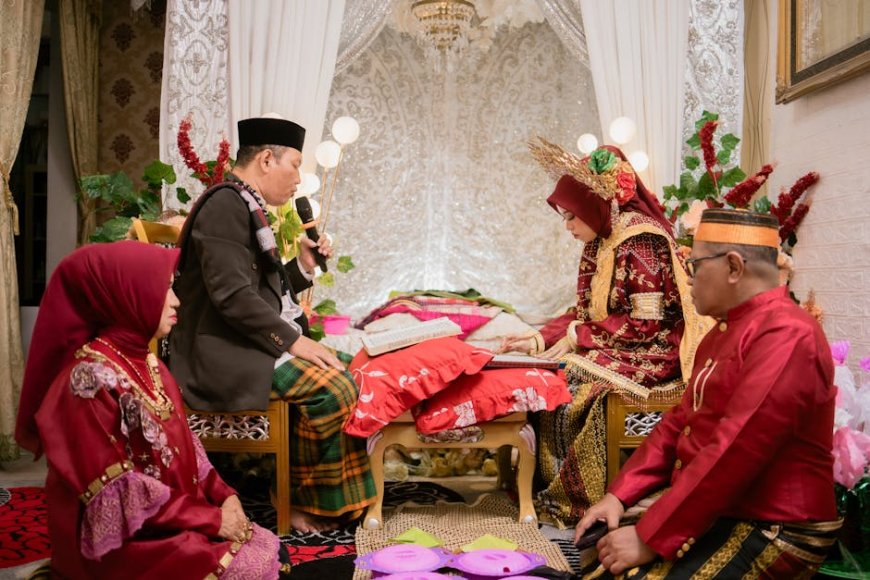
VOXBLICK.COM - Summary: Discover how Indonesian women play a vital role in preserving the nations cultural traditions, arts, and rituals, and learn the stories and values behind these timeless practices.
The Heart of Indonesia’s Cultural Legacy
Across the Indonesian archipelago, from the rice terraces of Bali to the vibrant markets of Java, women have long been the silent architects of cultural continuity.
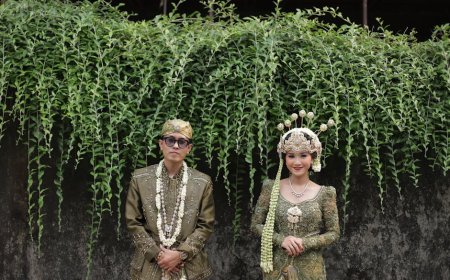
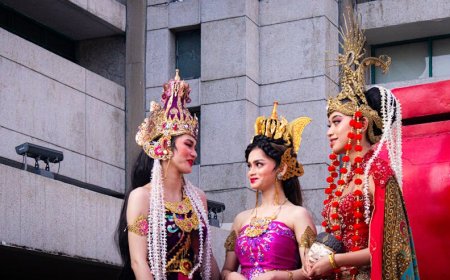
Indonesia’s unique mosaic of over 17,000 islands and 1,300 ethnic groups is reflected in its rich traditions, rituals, and artsmany of which are safeguarded, practiced, and passed down by women. Their role goes beyond participation they are creators, teachers, and guardians of heritage, ensuring that ancient customs survive in a rapidly modernizing world.
To understand the soul of Indonesia, one must look at the daily lives and ceremonial roles of its women.
Whether weaving intricate ikat textiles in East Nusa Tenggara, performing the sacred Bedhaya dance in Yogyakarta, or preparing offerings for ancestral spirits in Bali, Indonesian women embody the living bridge between generations.

Keepers of Traditional Arts and Crafts
One of the most visible contributions of Indonesian women lies in the world of traditional arts and crafts. In regions like Bali, Java, and Sumba, women are master weavers, batik makers, and jewelry artisans.
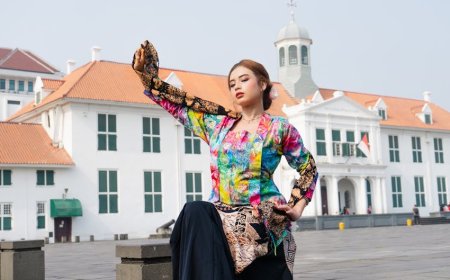
The art of batika UNESCO-recognized cultural heritagerelies heavily on women’s expertise. Using canting (wax pens), they draw intricate patterns that tell stories of local myths, family histories, and nature’s cycles. These textiles serve as more than clothing they are ceremonial attire, sacred heirlooms, and symbols of identity.
Similarly, in the highlands of Toraja, women weave sapu (traditional cloths) used in elaborate funerary rituals, a cornerstone of Torajan culture.
These crafts are not just economic activities but vehicles for transmitting philosophies, cosmologies, and community values.
Rituals, Religion, and the Feminine Touch
Ritual life in Indonesia is deeply intertwined with women’s roles. In Bali, for example, women are responsible for creating daily offerings called canang sari, delicate palm-leaf baskets filled with flowers, rice, and incense.
This practice, passed from mother to daughter, represents gratitude and the balance of good and evil. The shapes, colors, and arrangement of the offerings carry symbolic meanings rooted in Hindu beliefs and local cosmology.
During major ceremonies such as Galungan or weddings, women lead processions, prepare ritual foods, and recite ancestral prayers.
Their efforts ensure that spiritual obligations are fulfilled, reinforcing communal bonds and the moral order of society.
Culinary Heritage: Recipes Passed Through Generations
Indonesian cuisine is a tapestry of flavors shaped by history, geography, and culture. In kitchens across the country, women are the primary custodians of culinary heritage.
Recipes for dishes like rendang (spiced beef stew from West Sumatra), gudeg (young jackfruit stew from Yogyakarta), or lawar (Balinese meat and vegetable salad) are handed down orally, often accompanied by stories of ancestors and the significance of certain ingredients.
Preparation of festive meals for Ramadan, weddings, and harvest celebrations becomes a communal act, uniting women of all ages.
The food itself is a medium for teaching valuessuch as patience, generosity, and respect for naturewhile showcasing Indonesia’s botanical diversity and culinary ingenuity.
Transmission of Values and Identity
Beyond tangible arts and rituals, Indonesian women are key storytellers and educators within their families and communities.
Through lullabies, folktales, and oral histories, they transmit values such as respect for elders, harmony with nature, and resilience. In many villages, grandmothers and mothers serve as informal historians, ensuring that the lessons of the past inform the actions of the future.
- Storytelling: Folklore and legends are recounted to preserve moral lessons and local wisdom.
- Education: Women teach children traditional songs, dances, and etiquette, nurturing a sense of belonging.
- Community Leadership: In matrilineal societies such as the Minangkabau of West Sumatra, women inherit property and hold pivotal roles in decision-making.
Challenges and the Future of Tradition
Despite their central role, Indonesian women face challenges in safeguarding heritage. Urbanization, globalization, and shifting gender norms sometimes threaten the transmission of traditional knowledge.
Yet, many women adapt, using new platforms such as social media, community workshops, and cultural festivals to keep traditions alive and relevant.
The resilience and creativity of Indonesian women continue to shape the nation’s cultural landscape. By honoring their contributions, we not only celebrate Indonesia’s past but also ensure its rich traditions endure for generations to come.

What's Your Reaction?
 Like
0
Like
0
 Dislike
0
Dislike
0
 Love
0
Love
0
 Funny
0
Funny
0
 Angry
0
Angry
0
 Sad
0
Sad
0
 Wow
0
Wow
0