

























Tempeh’s Journey: Indonesia’s Cultural Heritage on the Global Table
Tempeh: More Than Just a Staple Food
VOXBLICK.COM - Across the vast archipelago of Indonesia, tempeh holds a special place on family tables and in the hearts of its people. This humble fermented soybean cake is not merely a source of nutritionit is an edible testament to Indonesia’s ingenuity, environmental harmony, and tight-knit communities. While tempeh is now recognized worldwide as a superfood, its roots reach deep into Javanese culture, where it has evolved from a rural sustenance into a national symbol and a proud ambassador on the global culinary stage.
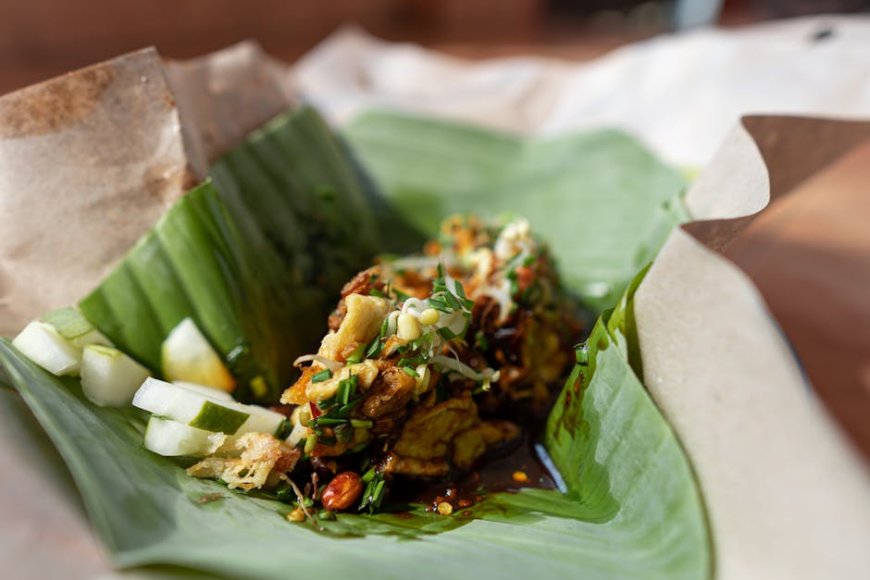
Tempeh’s journey begins in the villages of Central and East Java, where for centuries, artisans have carefully wrapped soybeans in banana leaves and let nature take its course.
The fermentation process, guided by the local fungus Rhizopus oligosporus, transforms simple beans into a hearty, flavorful cake with a unique nutty aroma. For generations, making tempeh has been a communal ritualone that celebrates patience, resourcefulness, and respect for the land.

The Cultural Significance of Tempeh in Indonesia
Tempeh’s story is deeply intertwined with Indonesian values. In the traditional Javanese belief system, food is not only fuel, but also a manifestation of harmony between humans and nature.
Tempeh, made with minimal waste and using local resources, embodies the wisdom of “gotong royong”the spirit of communal cooperation. In rural villages, neighbors often gather to peel soybeans, share fermentation starters, and pass down family recipes, ensuring that the art of tempeh-making survives from one generation to the next.
Beyond its practicality, tempeh is a symbol of resilience and adaptability. During times of hardship, such as colonial rule or economic crisis, tempeh provided affordable protein and comfort.
Its versatilitypan-fried, steamed, grilled, or simmered in spicy coconut saucesallowed it to adapt to various local tastes and occasions. At traditional ceremonies and festive gatherings, tempeh stands proudly beside more elaborate dishes, a reminder that simplicity can be deeply meaningful.
From Indonesian Villages to Global Tables
Today, tempeh’s influence extends far beyond Indonesia’s borders. As the world seeks sustainable, plant-based protein sources, this ancient Javanese invention has found its way into international supermarkets, gourmet restaurants, and home kitchens.
Global chefs celebrate tempeh’s umami-rich flavor and dense texture, while nutritionists praise its high protein, probiotic, and fiber content. Yet, for Indonesians, seeing tempeh embraced abroad is more than a culinary trendit is a source of cultural pride.
Tempeh’s rise on the global table is also a form of gastrodiplomacy, where food becomes a bridge between cultures.
Indonesian embassies and diaspora communities often host tempeh cooking workshops and festivals, inviting foreigners to discover the craftsmanship and philosophy behind this iconic dish. Through these initiatives, tempeh introduces the world not only to Indonesian flavors, but also to the values of sustainability, community, and respect for tradition.
Preserving Heritage in a Modern World
As tempeh becomes a global phenomenon, Indonesians face the challenge of preserving its authenticity. Industrialization and export demands have led to mass production, sometimes at the expense of traditional methods and local identity.
Yet, a new generation of Indonesian food artisans is rising to the occasion, championing artisanal tempeh with native ingredients, eco-friendly packaging, and heritage storytelling. Their mission is clear: to ensure that every bite of tempeh, whether enjoyed in Jakarta or New York, carries the legacy of its homeland.
For visitors to Indonesia, tasting tempeh is more than sampling a dishit is an invitation to understand the island nation’s spirit.
It is a chance to witness the harmony between people and their environment, the strength of community bonds, and the enduring power of tradition. In every crispy slice or tender stew, tempeh tells a story of Indonesia’s past, present, and its hope for a shared global future.

What's Your Reaction?
 Like
0
Like
0
 Dislike
0
Dislike
0
 Love
0
Love
0
 Funny
0
Funny
0
 Angry
0
Angry
0
 Sad
0
Sad
0
 Wow
0
Wow
0